
How do you want to enter the maritime world?
There's more than one way aboard. Pick the route that fits where you are today.
Maritime Academy
Degree + sea training → licensed officer.
The academy route →Hawsepipe
Entry-level mariner → sea time → ratings → officer license.
Work your way up →Military
Navy or Coast Guard → document your sea service → civilian MMC.
Military to mariner →Career Changer
Your existing skills → maritime training → entry credential.
Get your first MMC →Explore maritime careers
Thirteen ways to make a living on or around the water. You don't need to know which Coast Guard endorsement you want yet — start with the work that sounds interesting.
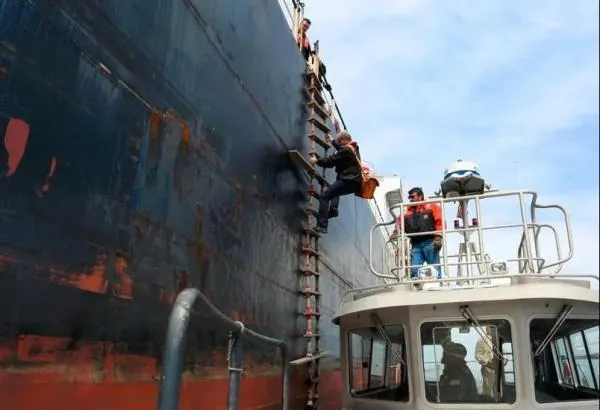
Piloting & Harbor Operations
Harbor Pilots • River Pilots • Great Lakes Pilots • Pilot Boat Captains • Docking Pilots
Explore piloting →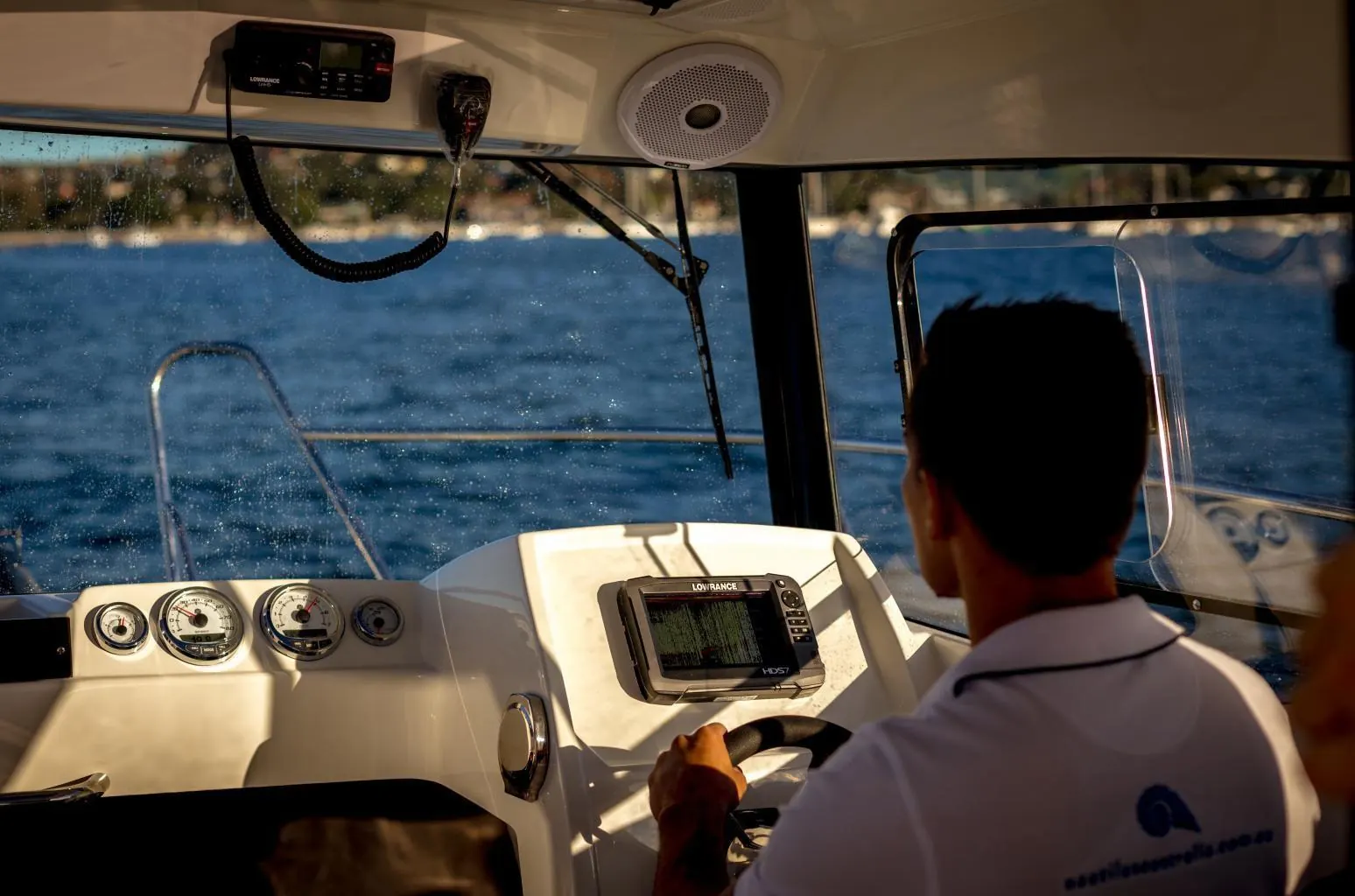
Yachts, Charters & Boater-to-Captain
OUPV / Six-Pack • Master 25/50/100 GRT • Charter Captain • Yacht Captain • Yacht Delivery
From boater to captain →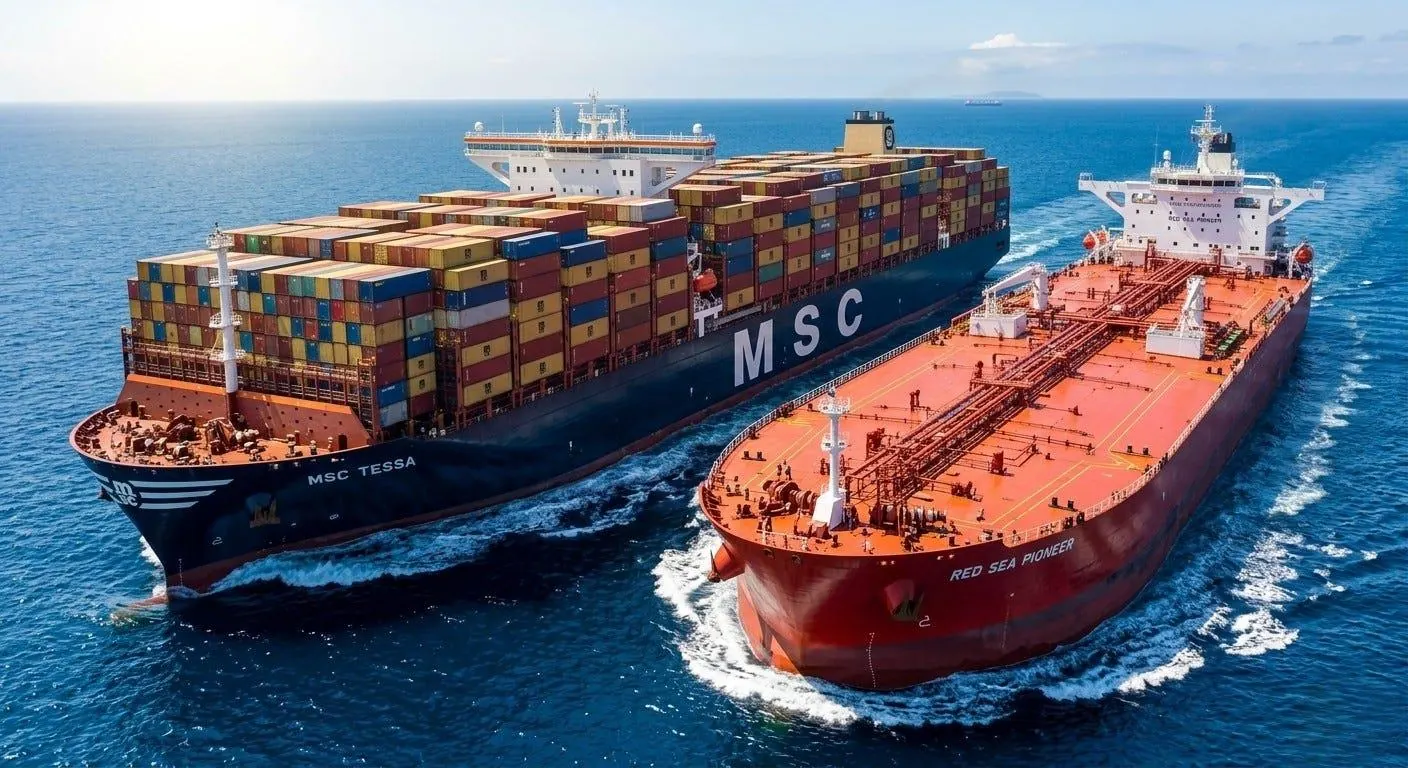
Deep Sea & Cargo
Tankers • LNG/LPG • Container Ships • Bulk Carriers • Ro-Ro
Explore tanker careers →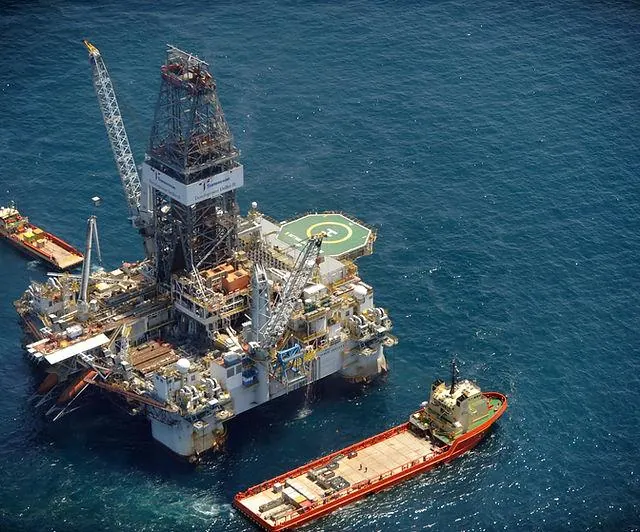
Offshore Energy
Drillships • MODUs • OSVs • Anchor Handlers • DP Operations
In preparation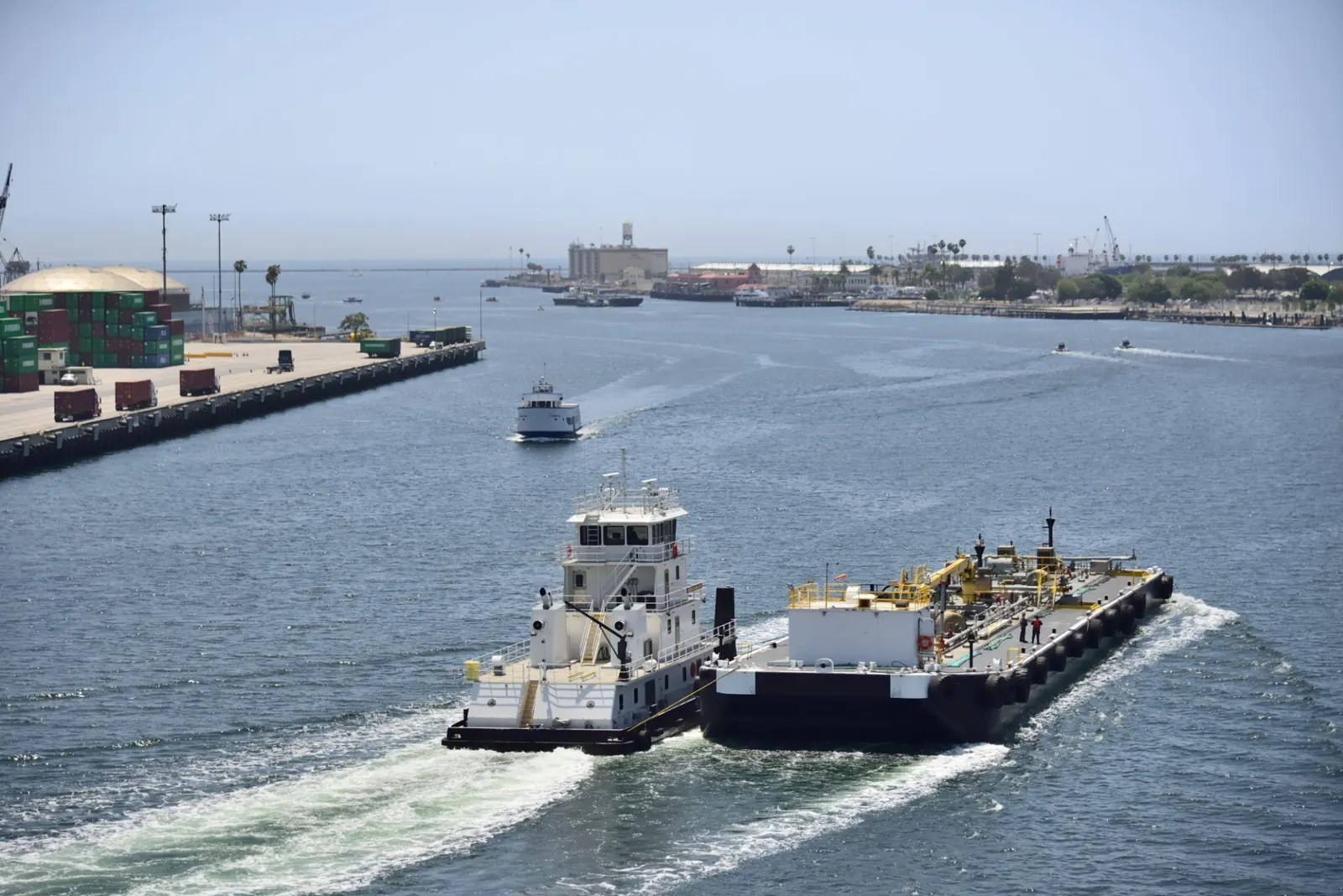
Towing & Barges
Harbor Tugs • Ocean Towing • ATBs • River Towboats
Explore towing careers →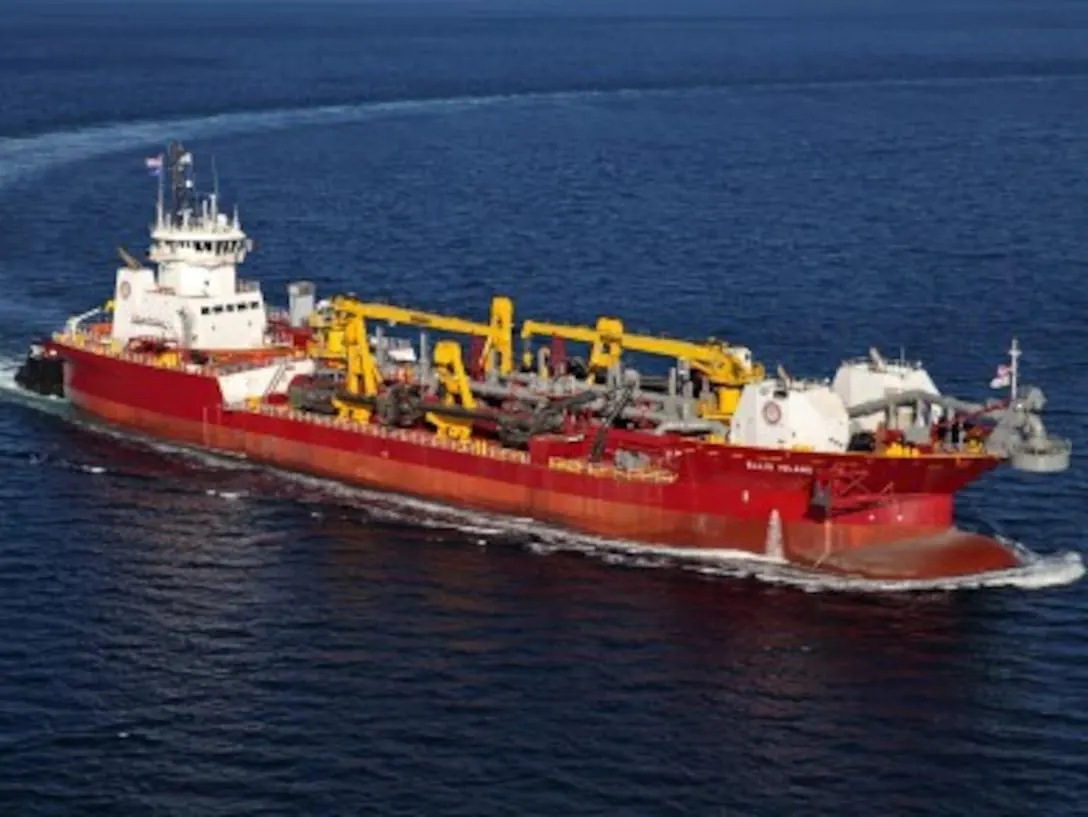
Dredging & Marine Construction
Hopper Dredges • Cutterheads • Crane Barges • Salvage
In preparation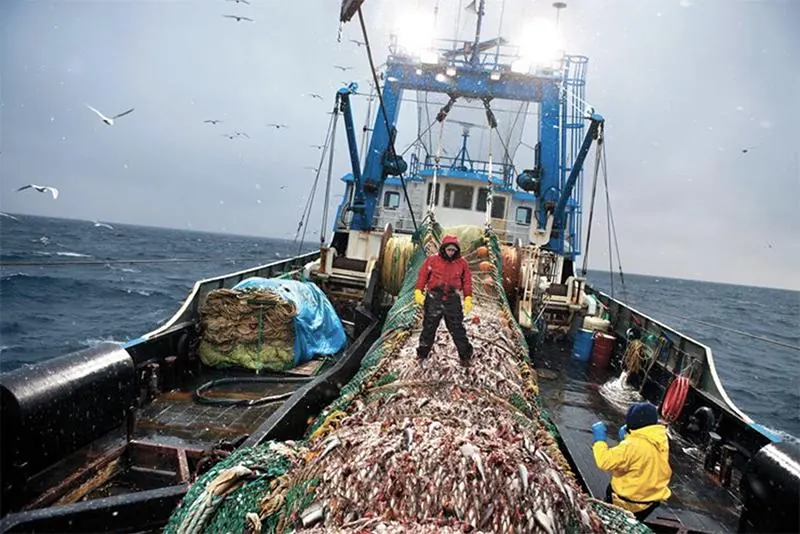
Commercial Fishing
Trawlers • Crab Boats • Longliners • Processing Vessels
In preparation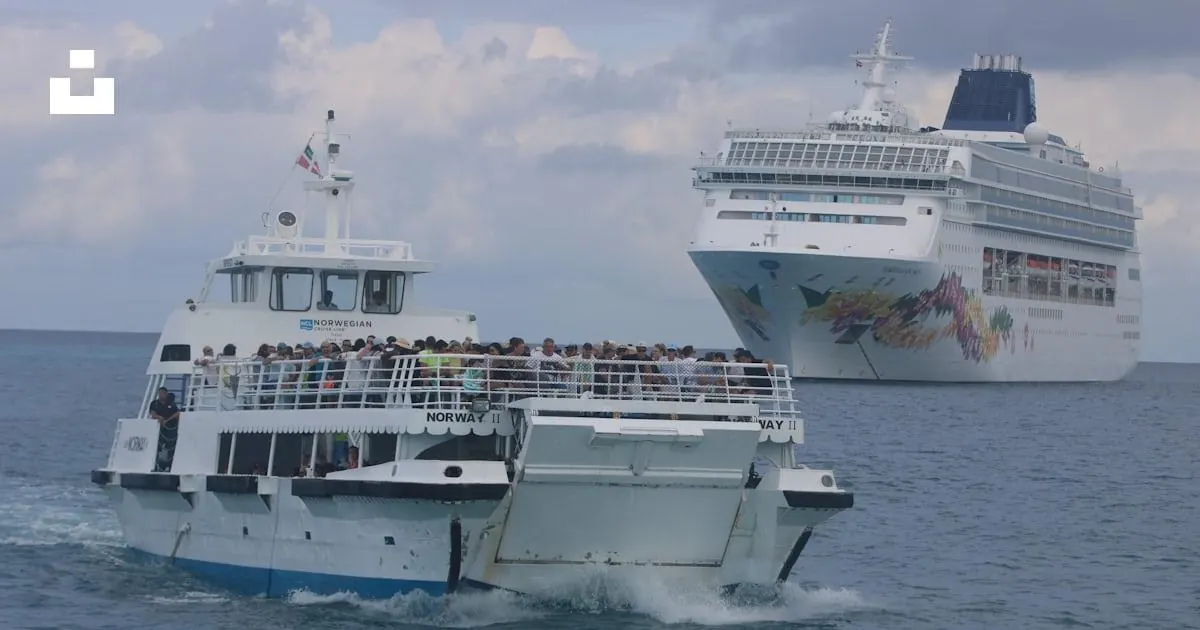
Passenger & Ferry Operations
Ferries • Cruise Ships • Excursion Vessels • High-Speed Craft
In preparation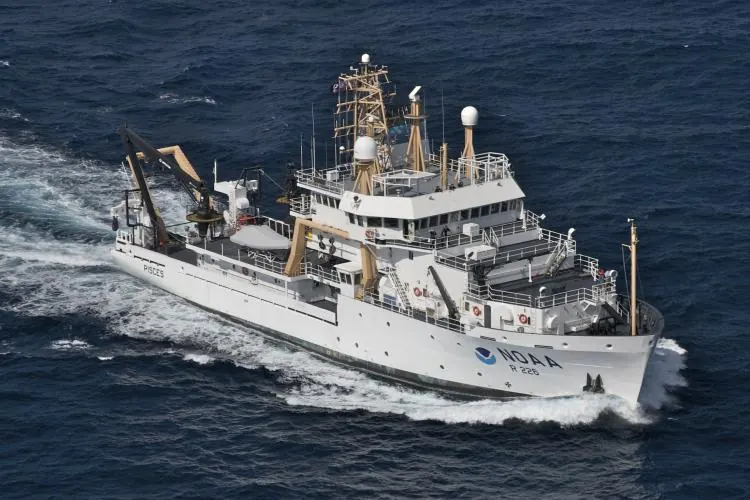
Research & Specialty Vessels
Oceanographic • Hydrographic • Cable-Laying • Survey • Oil Spill Response
Explore oil spill response →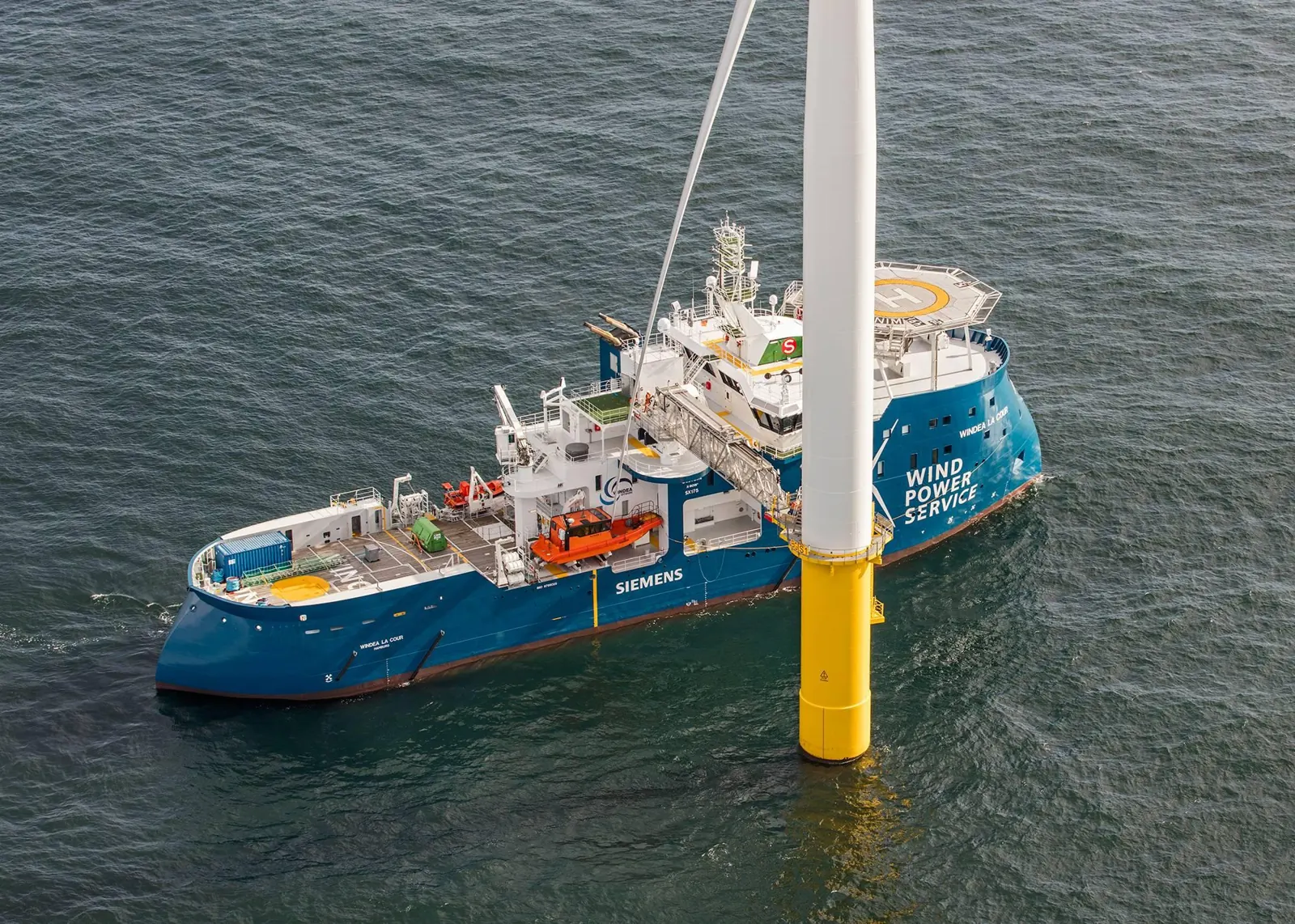
Offshore Wind & Subsea
Installation • Turbine Maintenance • CTVs & SOVs • Dive & ROV Support
Explore offshore wind →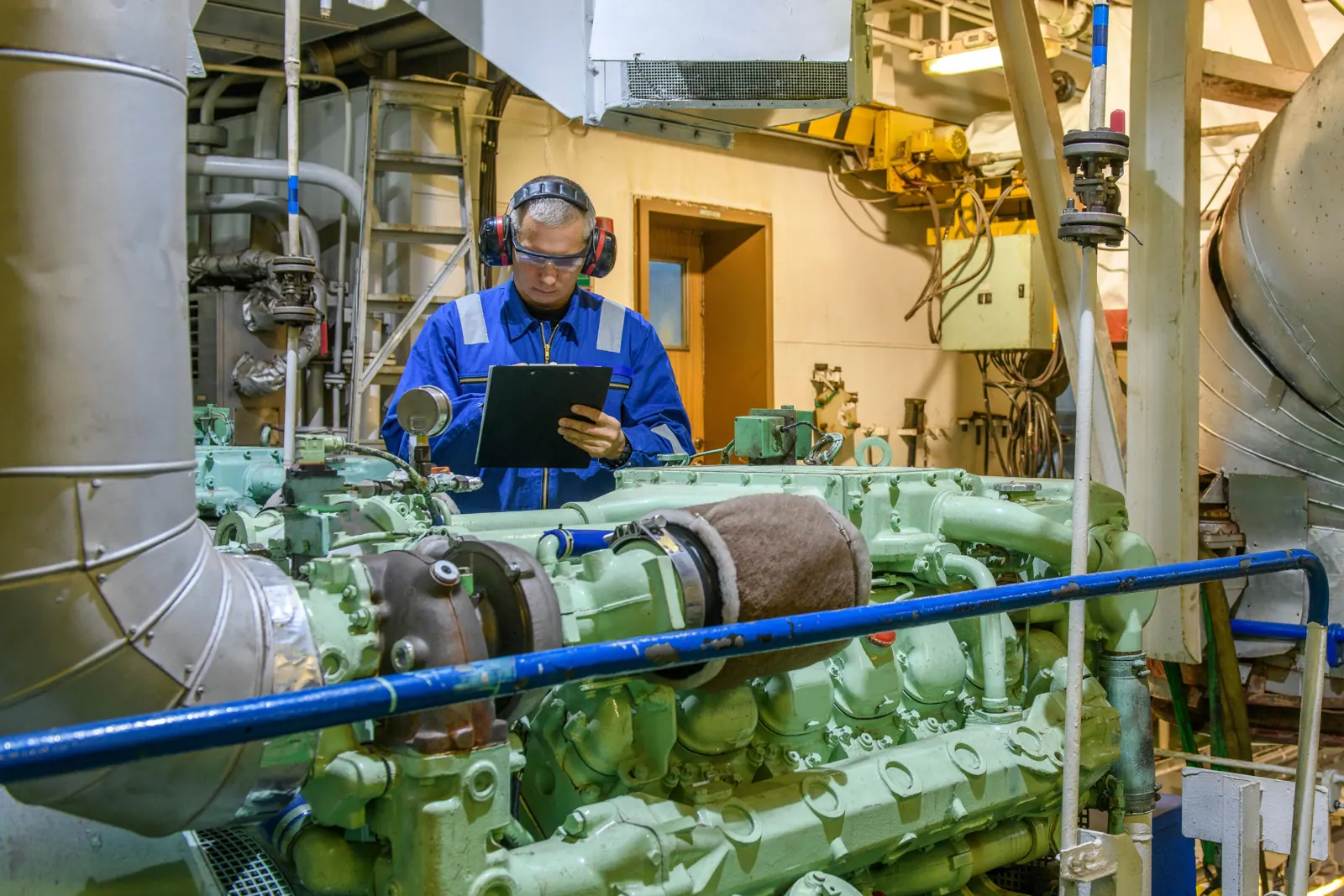
Marine Engineering
Wiper • QMED • DDE • Assistant Engineer • Chief Engineer
Wiper to QMED →
Shoreside Maritime Careers
Port Captain • Port Engineer • Marine Surveyor • Instructor • Consultant • Superintendent
Explore work ashore →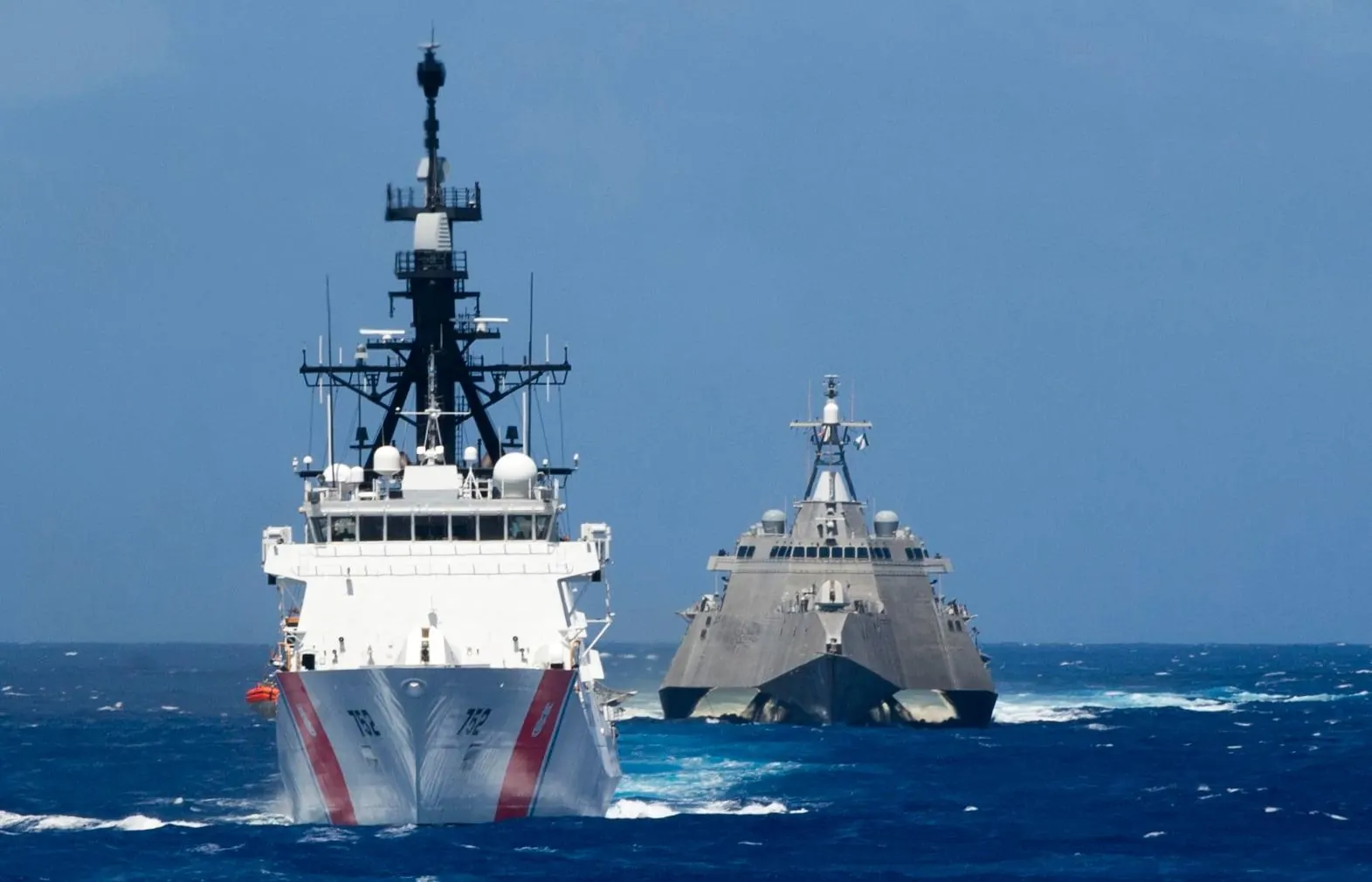
Military & Government
Coast Guard • Navy • Military Sealift Command (civilian) • Reserves • Military-to-Merchant
Military to mariner →Spotlight: Military Sealift Command — a civilian career serving the fleet
Military Sealift Command (MSC) operates U.S. government ships that support the Navy around the world: fuel and supply ships, hospital ships, and other support vessels. Most of the crews are Civil Service Mariners (CIVMARs). They are federal civilian employees, not active-duty service members. MSC says CIVMARs make up about 80% of its workforce; its 2026 handbook lists about 5,900 CIVMARs, plus roughly 1,500 contract commercial mariners.
MSC ships are crewed and organized much like commercial merchant ships, and licensed officers such as the master and chief engineer hold the same Coast Guard credentials used throughout the merchant marine.
| Department | Typical shipboard positions |
|---|---|
| Deck | Ordinary Seafarer, Able Seafarer (formerly Ordinary and Able Seaman), Third/Second/Chief Mate, Master |
| Engine | Wiper, QMED (Qualified Member of the Engine Department), Third/Second/First Assistant Engineer, Chief Engineer |
| Other | Supply, food service, communications, and other support positions |
Why it matters for your career: MSC sails large ocean-going ships, so it can be a place to build substantial, well-documented sea service. That service may count toward a raise of grade or additional endorsements when it meets the Coast Guard requirements for the credential you are seeking. Check the NMC (National Maritime Center) checklist for your target endorsement before counting on it.
For veterans: MSC also runs a Military-to-MSC program. See Veteran to Merchant Mariner →
Mariners Online is not affiliated with Military Sealift Command. Positions, pay and programs change; confirm details with MSC. Sources: MSC: Civil Service Mariners · MSC Handbook 2026 (PDF) · MSC careers site
Maritime jobs: more than one way to go to sea
When people think of maritime careers, they often picture a tanker or container ship. There are many other choices, from small passenger boats to offshore drillships. Here are some worth exploring.
| Type of work | Vessels and jobs to explore |
|---|---|
| Offshore drilling | Drillships and semisubmersible drilling units. Marine positions include deck officers, engineers, Dynamic Positioning Operators (DPOs), and deck crews. Drilling crews have a separate set of jobs. |
| Offshore support | Platform supply vessels, anchor-handling vessels, subsea construction vessels, dive-support vessels, and remotely operated vehicle (ROV) support vessels. |
| Dynamic positioning (DP) | Work aboard vessels that use computers, thrusters, and position references to hold position. DP is used on drillships, offshore support vessels, cable layers, construction vessels, and some passenger vessels. |
| Large passenger vessels | Cruise ships and large ferries, with jobs in deck, engineering, hotel services, food service, and passenger operations. |
| Small passenger vessels | Sightseeing boats, whale-watching vessels, water taxis, excursion boats, dinner boats, and small ferries. Boater to captain → |
| Commercial fishing | Trawlers, seiners, longliners, crab boats, and other fishing vessels. Work may include fishing operations, vessel maintenance, navigation, and engineering. |
| Fish processing | Factory trawlers that catch and process fish, and processing vessels that receive catches from other boats. Jobs include marine crew, processing workers, refrigeration specialists, and quality-control staff. |
| Tugs and towing | Harbor tugs, coastal towing vessels, inland towboats, and articulated tug-barge (ATB) units. Work ranges from assisting ships at the dock to moving cargo over long distances. Towing careers → |
| Cargo transportation | Tankers, container ships, bulk carriers, vehicle carriers, and general cargo ships. Deck, engine, and steward departments keep these vessels operating. Deep sea & cargo → |
| Offshore wind | Crew-transfer vessels, service-operation vessels, installation vessels, and cable layers. Marine crews operate the vessels; technicians install and maintain the equipment. Offshore wind → |
| Dredging and marine construction | Dredges, workboats, crane barges, and support vessels involved in maintaining channels, building waterfront structures, and other construction projects. |
| Research and surveying | Oceanographic research ships, fisheries research vessels, hydrographic survey boats, and offshore survey vessels. Marine crews work alongside scientists and technical specialists. |
| Cable laying and repair | Vessels that install and maintain undersea communications and power cables. |
| Yachts and charter boats | Private yachts, charter yachts, sailing vessels, and sportfishing boats. Some jobs combine navigation and maintenance with guest service. Yachts & charters → |
| Government and public service | Public ferries, patrol boats, fireboats, and vessels supporting navigation aids, research, and other public operations. Civilian mariners also crew government-owned ships, such as those of the Military Sealift Command and NOAA. Military & government → |
| Oil-spill response and salvage | Spill-response vessels, recovery barges, salvage tugs, and emergency-response workboats. Oil spill response → |
| Piloting | Guiding ships through local waters, harbors, and docking areas. This is generally a later-career path requiring substantial experience and local knowledge. Piloting → |
Start with the work you want to do
Do you want to work on deck, in the engine room, with passengers, or in a technical specialty? Would you rather work locally or spend weeks away from home? Those choices help narrow the field.
The vessel matters too. A job on a small sightseeing boat is very different from a job on a drillship, even though both are maritime work.
Look at actual job postings for the position you want. Credentials, medical requirements, sea service, and specialized training vary by vessel and role. A course that helps with one career may do little for another. Before You Spend Money →
And remember: working aboard a vessel does not automatically mean every day will count toward the license or endorsement you want. Whether service counts depends on things such as the vessel's tonnage, route, and your position aboard. Find out what service qualifies and how to document it before you take the job. Documenting Sea Time →
🏢 Already sailing? Look ashore.
Port captain, port engineer, surveyor, instructor — your credentials keep working after you come ashore.
⚙️ Engineering
Every vessel on this page needs an engine department. Start as a wiper and work up to Chief Engineer.
Who's Hiring
Government fleets and maritime employers by industry and region, with links straight to their careers pages.
See the employers →GETTING HIREDUnion or Independent?
MM&P, AMO, MEBA, SIU and SUP: who represents whom, union-paid training, and how to compare offers.
Compare your options →GETTING HIREDUnion Hiring Hall Finder
Map of SIU, MM&P, MEBA, AMO and SUP halls with phone numbers, job call times, and how each union posts jobs.
Find a hall near you →RESOURCESMaritime Training & STCW Courses
Organized by your goal, with a checklist for verifying any course before you pay.
Find training →RESOURCESNeed professional help?
When a complicated record means you should get help before spending money on courses.
Learn when →Already know where you're headed?
Jump straight to the licensing roadmaps, or start with the first step up from the entry level.
 FREE DOWNLOAD · OCTOBER 2026 EDITION
Who’s Hiring? Maritime Employer Directory
76 maritime employers and 62 union hiring halls in one printable PDF: phone numbers, careers pages, a hall map and job call times. Free when you join From the Bridge, Captain Mike's monthly email: rule changes, sea-time tips and new guides, in plain English. One email a month. Unsubscribe anytime.
Sent with Kit. Your email is used only for the directory and this monthly note. See the Privacy Policy.