
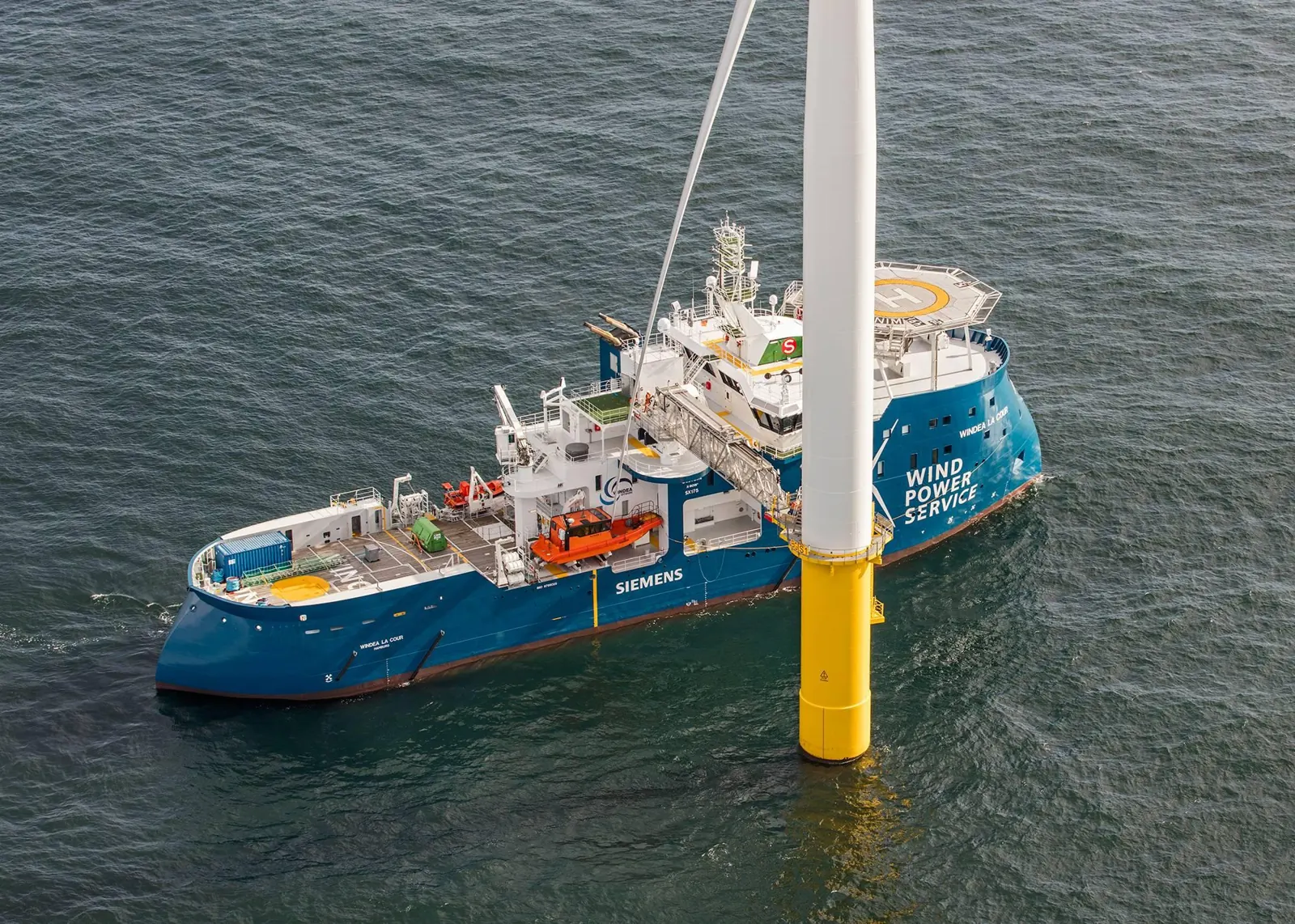

Three ways into offshore wind
A mariner can stay on the vessel side, join the turbine maintenance team, or eventually move ashore into planning and management.
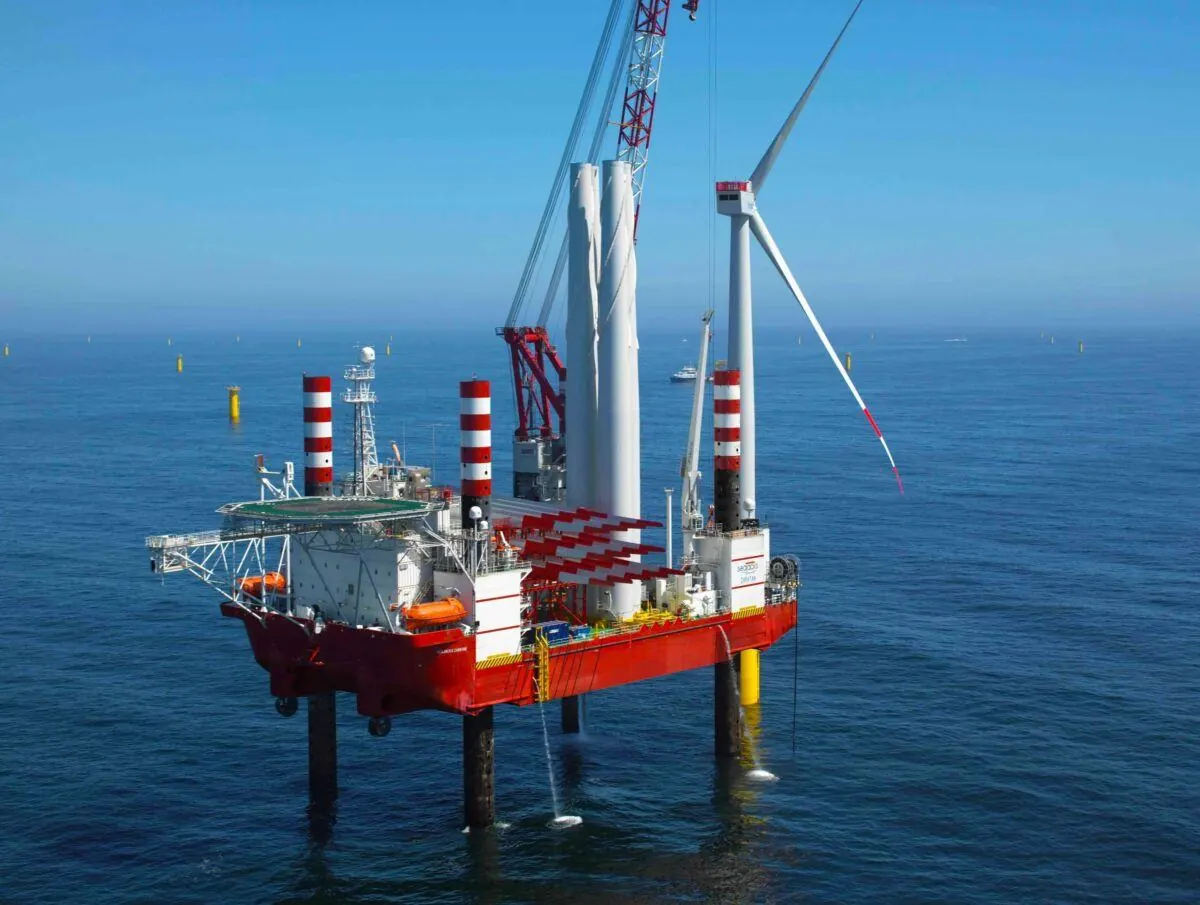
Installation & Construction
Jack-up installation vessels, heavy lift, cable laying, foundations, and marine construction.
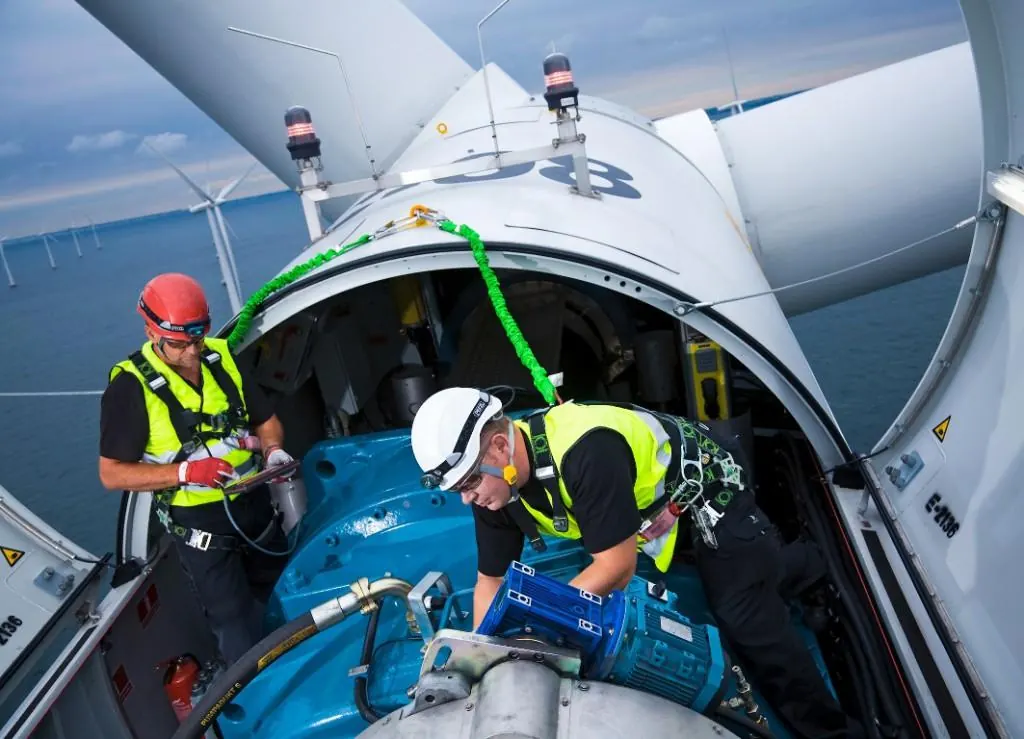
Turbine Maintenance & Repair
Technicians, electricians, blade repair, inspections, and mechanical and hydraulic work.
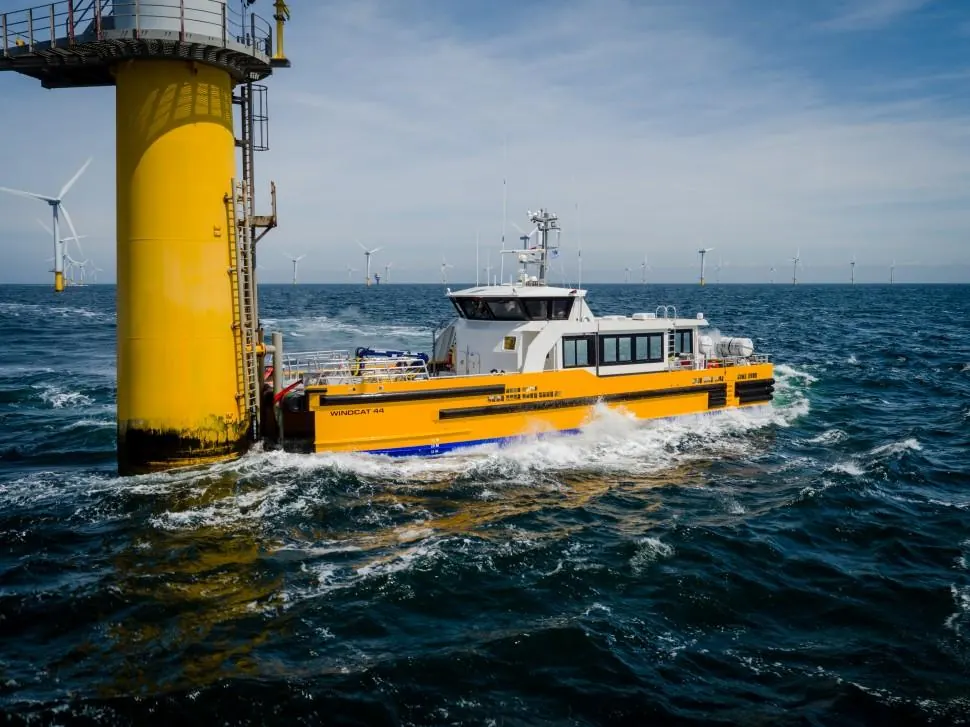
Marine Support & Logistics
CTV and SOV crews, DP operators, engineers, and offshore operations.
The two maintenance vessels
Crew Transfer Vessel (CTV)
Fast, usually aluminum catamarans that carry technicians out and back each day. The captain holds the bow against the turbine’s boat landing so technicians can step across.
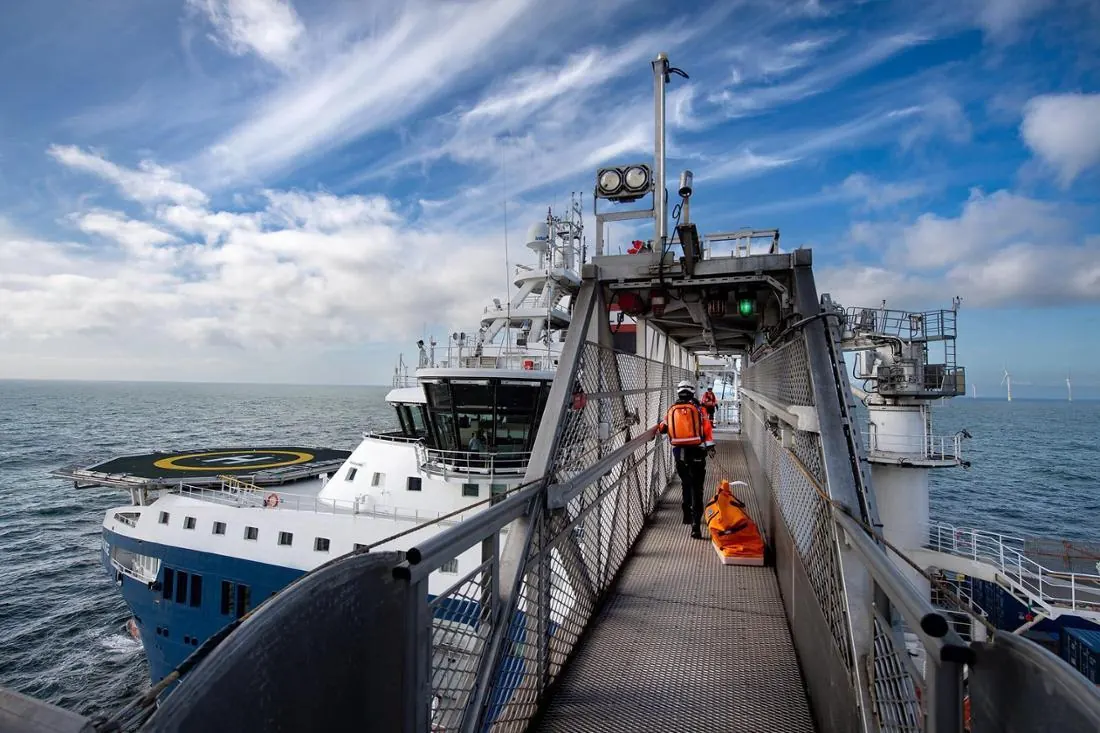
Service Operations Vessel (SOV)
Larger dynamic-positioning ships that stay out for weeks, with accommodation, workshops, and a motion-compensated “walk-to-work” gangway to the turbine.
Who does the work?
| Turbine side | Typical qualification |
|---|---|
| Wind Turbine Technician | Technical training + GWO safety training |
| Electrical Technician | Electrical background + GWO |
| Mechanical Technician | Mechanical and hydraulic training + GWO |
| Blade Repair Technician | Composite repair + working-at-heights training |
| Rope Access Technician | IRATA or SPRAT certification, as required |
| Nacelle Maintenance Technician | Mechanical and electrical training |
| Subsea Cable Technician | Electrical and subsea experience |
| ROV Operator | ROV training and subsea experience |
| Maintenance Supervisor | Turbine maintenance experience |
| Offshore Wind Operations Manager | Technical and offshore operations background |
| Marine side | Typical qualification |
|---|---|
| CTV Captain | USCG Master endorsement suited to the vessel and route |
| CTV Mate / Deckhand | MMC and vessel qualifications, as required |
| SOV Master / Mate | USCG deck license with STCW |
| Dynamic Positioning Operator | Deck officer credential + DP certification |
| SOV Engineer | Appropriate USCG engineering credential |
GWO is not a Coast Guard credential
The Global Wind Organisation (GWO) sets industry safety and technical training standards. It is separate from your MMC and STCW endorsements, and employers decide which GWO modules their people need. GWO Basic Safety Training covers:
Technicians may also need GWO Basic Technical Training (mechanical, electrical, and hydraulic) and advanced rescue training.
The U.S. market right now
U.S. offshore wind is young and has faced sharp swings in federal policy. As of September 2026, South Fork Wind, Vineyard Wind 1, and Revolution Wind are delivering power, and Empire Wind 1 and Sunrise Wind are under construction. In December 2025 the federal government suspended work on projects under construction; courts allowed them to resume in early 2026. New federal leasing has been paused and some leases cancelled. Europe's much larger market has decades of steady demand for technicians and vessel crews.
A merchant mariner with engineering experience may have transferable skills for offshore wind maintenance. However, turbine technicians generally need additional wind-specific training, particularly working at heights and offshore sea survival.
Build the foundation
Engine-room and deck experience carry straight into offshore wind.
Sources
 FREE DOWNLOAD · OCTOBER 2026 EDITION
Who’s Hiring? Maritime Employer Directory
76 maritime employers and 62 union hiring halls in one printable PDF: phone numbers, careers pages, a hall map and job call times. Free when you join From the Bridge, Captain Mike's monthly email: rule changes, sea-time tips and new guides, in plain English. One email a month. Unsubscribe anytime.
Sent with Kit. Your email is used only for the directory and this monthly note. See the Privacy Policy.