

Requirements checked against 46 CFR Part 11, Subpart G and the NMC First Class Pilot checklist · September 2026
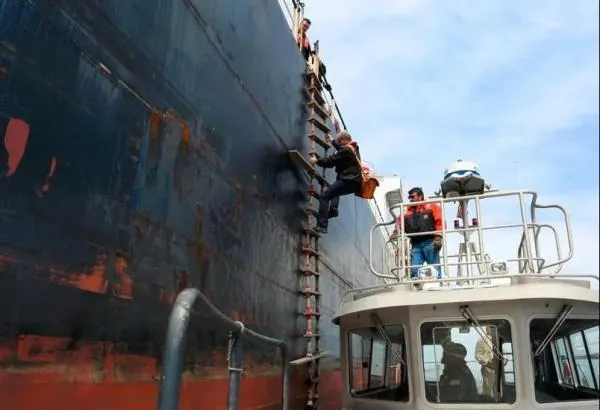
What does a pilot do?
A pilot boards the ship, often by climbing a pilot ladder from a pilot boat, and directs the bridge team through local waters: channels, currents, traffic, bridges, and the final approach to the berth. The master keeps overall command of the ship, but the pilot's local knowledge is the reason they are aboard.
Two pilotage systems: it depends on the ship
Who works in pilotage?
Harbor (Bar) Pilot
Boards ships at sea and brings them into port, or takes them out to sea. State-licensed in most ports.
River Pilot
Long transits on rivers such as the Mississippi or Columbia, often through a separate association from the bar pilots.
Great Lakes Pilot
Registered pilot on designated Great Lakes and St. Lawrence waters.
Docking Pilot
Handles the final approach and berthing. In some ports, docking pilots are experienced tug captains.
Pilot Boat Captain
Runs the boat that carries pilots to and from ships in all weather. Needs a Coast Guard credential suited to the boat and route.
Pilot Boat Deckhand
Handles lines and helps pilots board and disembark safely.
The First-Class Pilot endorsement
A First-Class Pilot endorsement authorizes pilotage on the specific routes listed on it, subject to its tonnage and other limitations. The main requirements from the NMC checklist:
| Requirement | Summary |
|---|---|
| Minimum age | 21 |
| Sea service | 1,080 days in the deck department, including 540 days of bridge watchkeeping, 360 of them on the class of waters you want to pilot. River and lake routes have their own totals. |
| Unlimited tonnage | 540 days on vessels of 1,600 GRT or more. Otherwise the endorsement carries a tonnage limit. |
| Route familiarization | 12 to 20 round trips over the route (8 to 15 if you already hold a deck officer endorsement). At least a quarter at night, and one within six months of applying. |
| Exams | Rules of the Road, deck general and safety, navigation, and local-knowledge modules for each route, including charting the route from memory. |
| Physical | First-class pilots must pass an annual physical examination to keep the endorsement valid. |
How do state pilots get there?
There is no single national path. Each state and pilot association sets its own, but common patterns include:
- Many harbor pilot associations look for senior deck experience, often a master's license or years as a tug captain.
- Selection can include written exams, simulator evaluations, and interviews, followed by a multi-year training program in which the size of ship you may handle increases step by step.
- Some associations run programs that accept younger licensed officers, including maritime academy graduates.
Ask the association in the port where you want to work. Their requirements are the ones that count.
Pilotage is a local-knowledge career. The sooner you pick the port or river you want, the sooner every trip you make there starts working for you.
Start building toward the pilot house
Every pilot started with a first credential.
Sources
 FREE DOWNLOAD · OCTOBER 2026 EDITION
Who’s Hiring? Maritime Employer Directory
76 maritime employers and 62 union hiring halls in one printable PDF: phone numbers, careers pages, a hall map and job call times. Free when you join From the Bridge, Captain Mike's monthly email: rule changes, sea-time tips and new guides, in plain English. One email a month. Unsubscribe anytime.
Sent with Kit. Your email is used only for the directory and this monthly note. See the Privacy Policy.